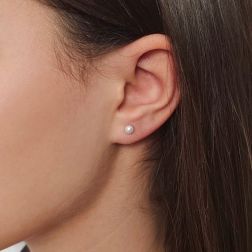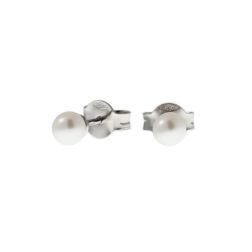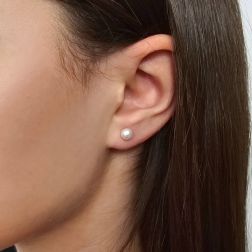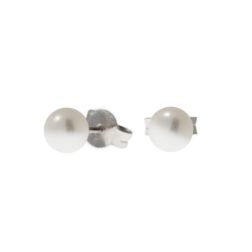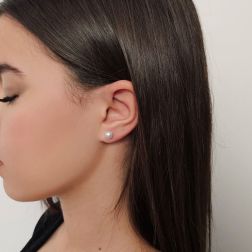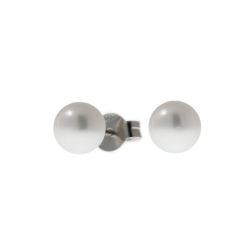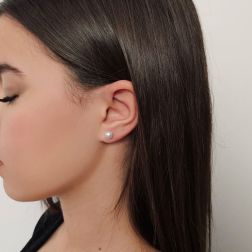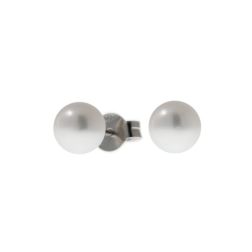
The natural pearl is the only gemstone that is born alive. It is not extracted from rock, nor is it cut or polished; it forms inside a mollusk, layer by layer, in a process that takes years and that no technology has ever truly been able to replicate, even when it has tried.
This is why no two pearls are ever identical. The color, shape, luster, and the so-called “orient”—which makes the surface appear almost illuminated from within—depend on variables that cannot be fully controlled. And it is precisely this imperfection, governed by Nature, that makes them so fascinating!
If you’d like to read more about the myths and meaning of pearls, check out the dedicated article in our Curiosities section.
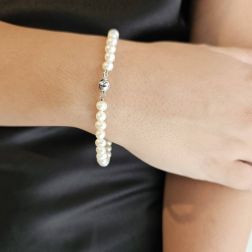
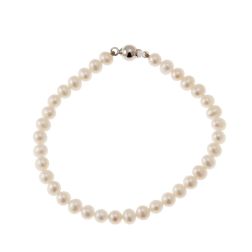
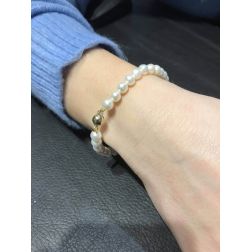
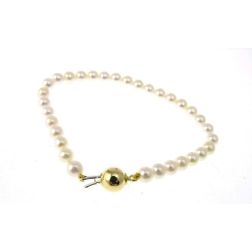
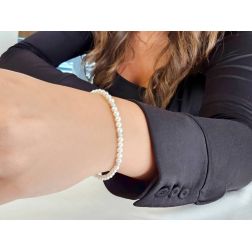
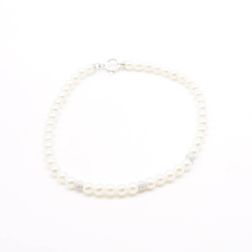
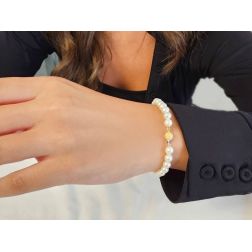
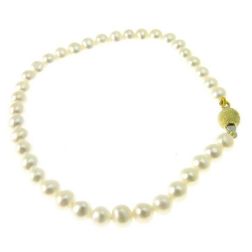
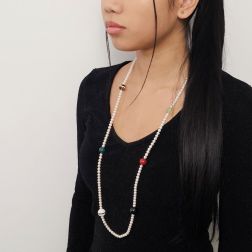
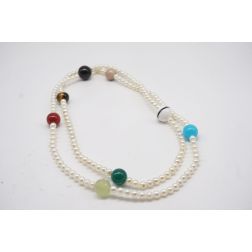
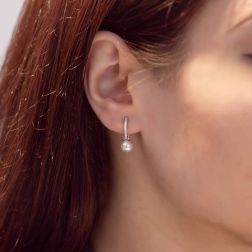
In this section, you’ll find jewelry featuring the main types of cultured natural pearls, each with distinct characteristics and a recognizable visual identity.
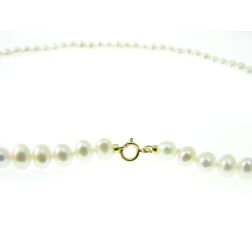
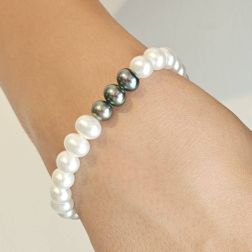
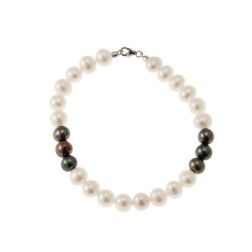
Australian pearls are among the largest in the world, with a luminous white that often shifts toward cream or gold. Tahitian pearls, cultivated in Polynesia, are the only naturally dark ones, ranging from anthracite gray to peacock green and bronze, with iridescent reflections that are difficult to describe in words without seeing them. Japanese Akoya pearls are the classic choice for pearl necklaces: round, white, with a very high luster and a uniformity that makes them perfect for more formal jewelry.Freshwater pearls, primarily cultivated in China, offer a wide variety of shapes and colors at an affordable price, without compromising on quality.
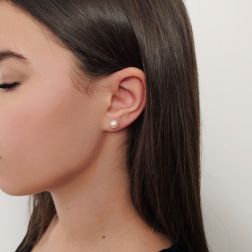
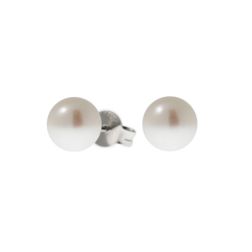
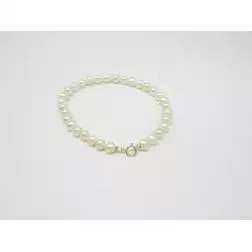
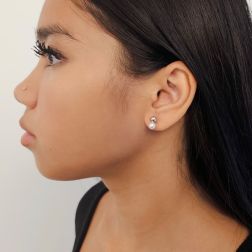
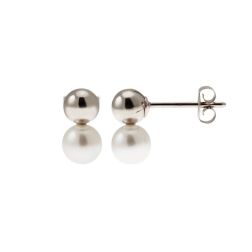
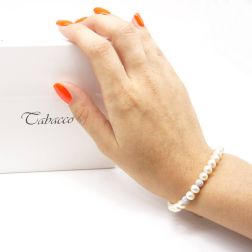
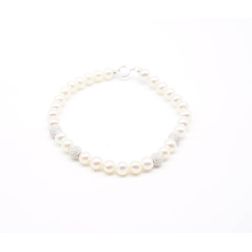
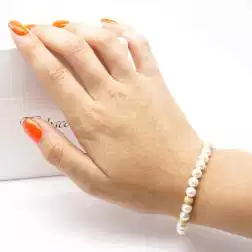
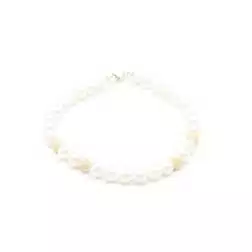
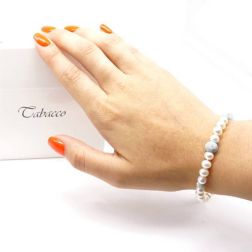
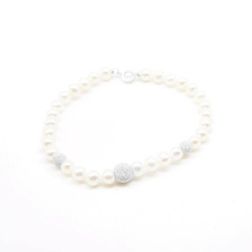
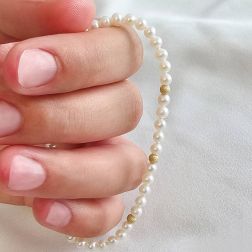
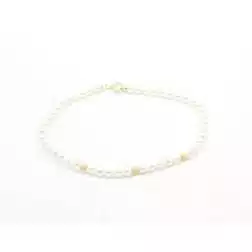
Tabacco Gioielli uses only natural pearls, which are set in 18-karat gold. The pearls are selected based on luster, shape, size, and the absence of visible imperfections—the criteria that truly make a difference in professional evaluation. Jewelry featuring natural pearls is perfect for countless occasions and makes a wonderful gift for people of all ages.